Your vault. Searchable. Organized.
40 items
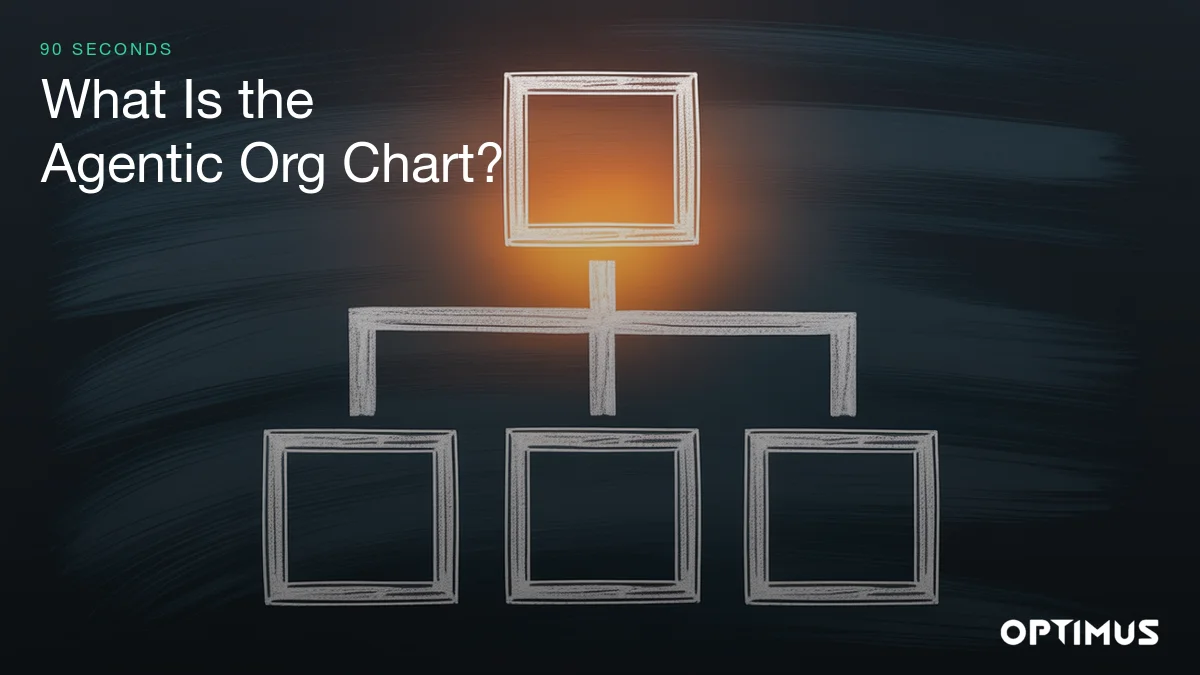
You're one person, but the work isn't. The 90-second version of the Agentic Org Chart — one human, a chart of agent seats, and why every framework from here on assumes it exists.
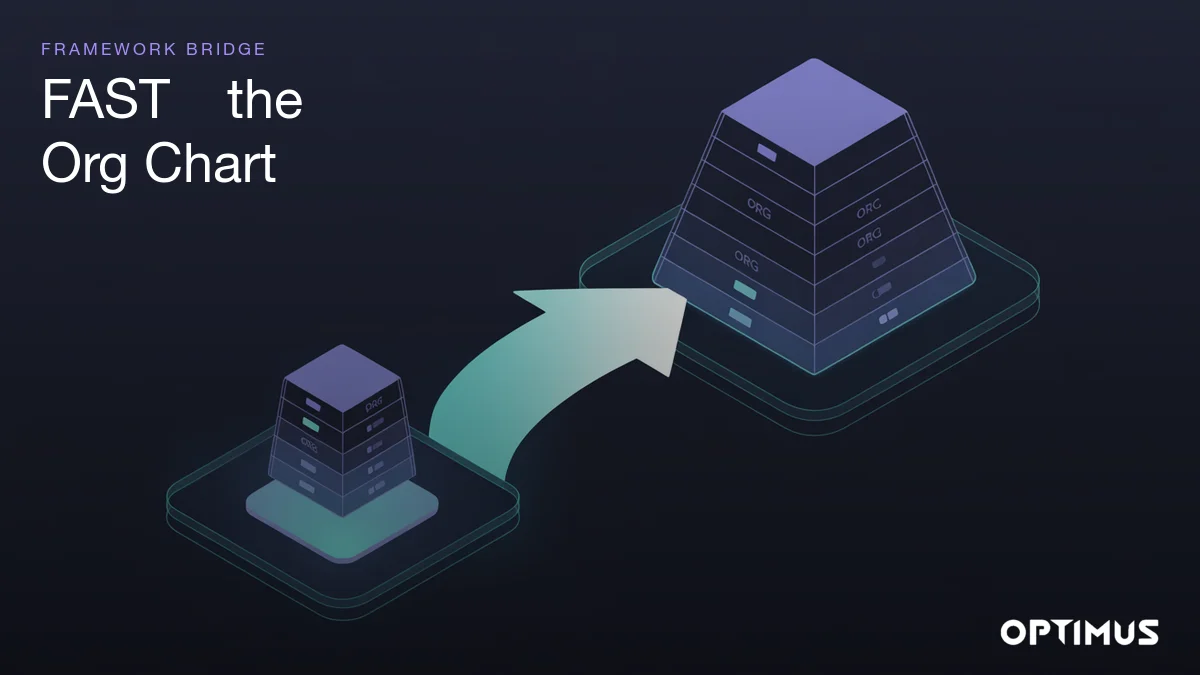
FAST taught you to build a worker. The Org Chart is where your workers sit. The 6-minute bridge between the framework you just finished and the one that scales it.
From 'will this prompt work' to 'what direction do I give.' From one agent to a crew with boundaries. From tasks to workflows that loop. The vocabulary every intermediate framework assumes.
Four intermediate tracks, routed by the bottleneck you wrote down in piece 1 — roles, conversation, offer, or speed. Pick one, finish it, then come back. Do not consume all four.
One coffee, one pen, your actual week. Score all four OSLO pillars, find the real bottleneck (it's rarely the one you think), and commit to one pillar play.
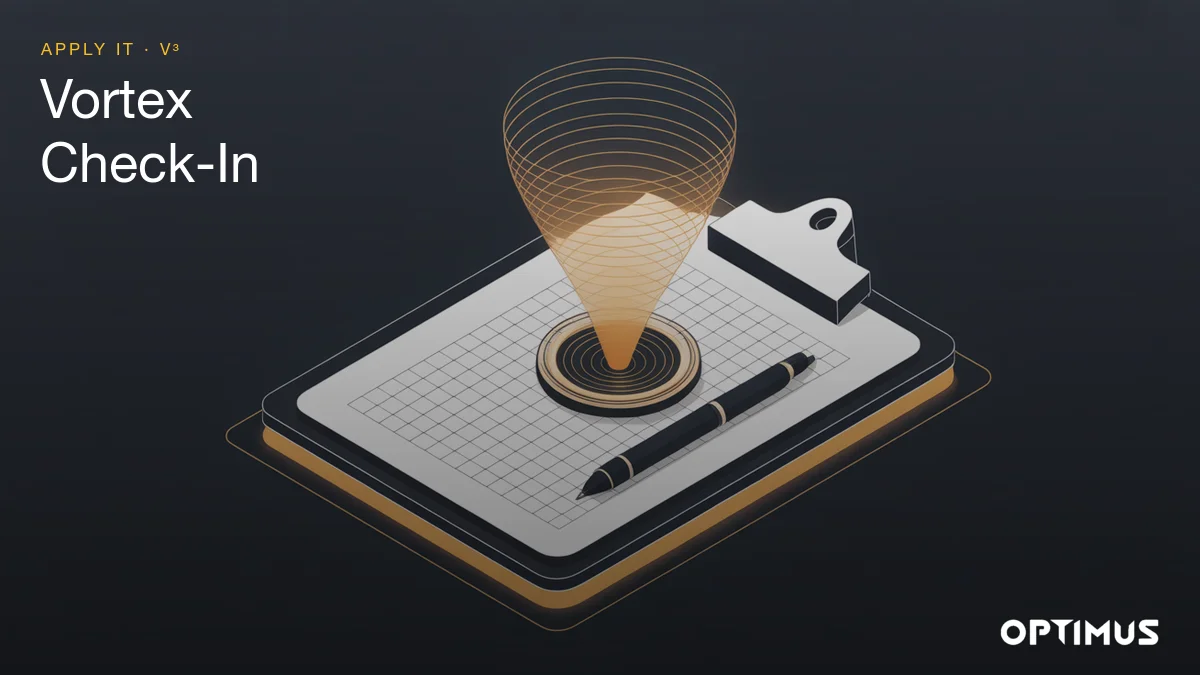
Score your top offer on Value, Velocity, and Vortex — and find the leak where your funnel stops compounding. One move on the leak, dated this week.
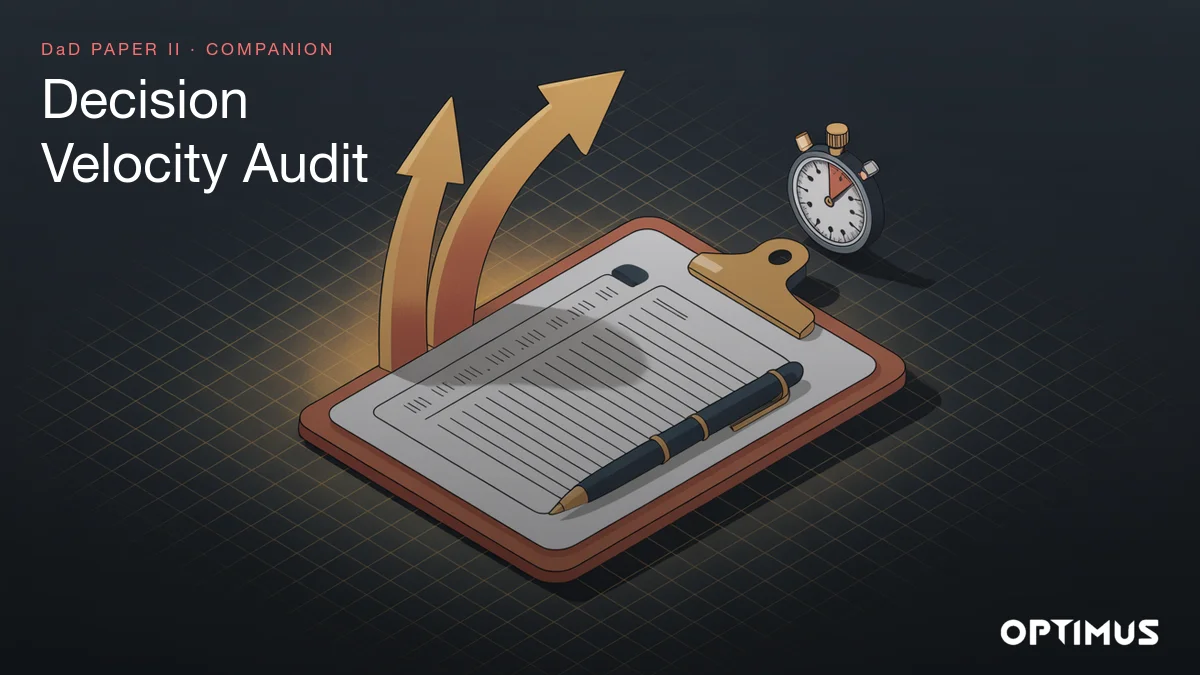
Run Paper II's doctrine on one decision you're sitting on right now: the expected-value pass, the two-way-door test, the body's read, your paralysis level — and a decide-by date within 72 hours.
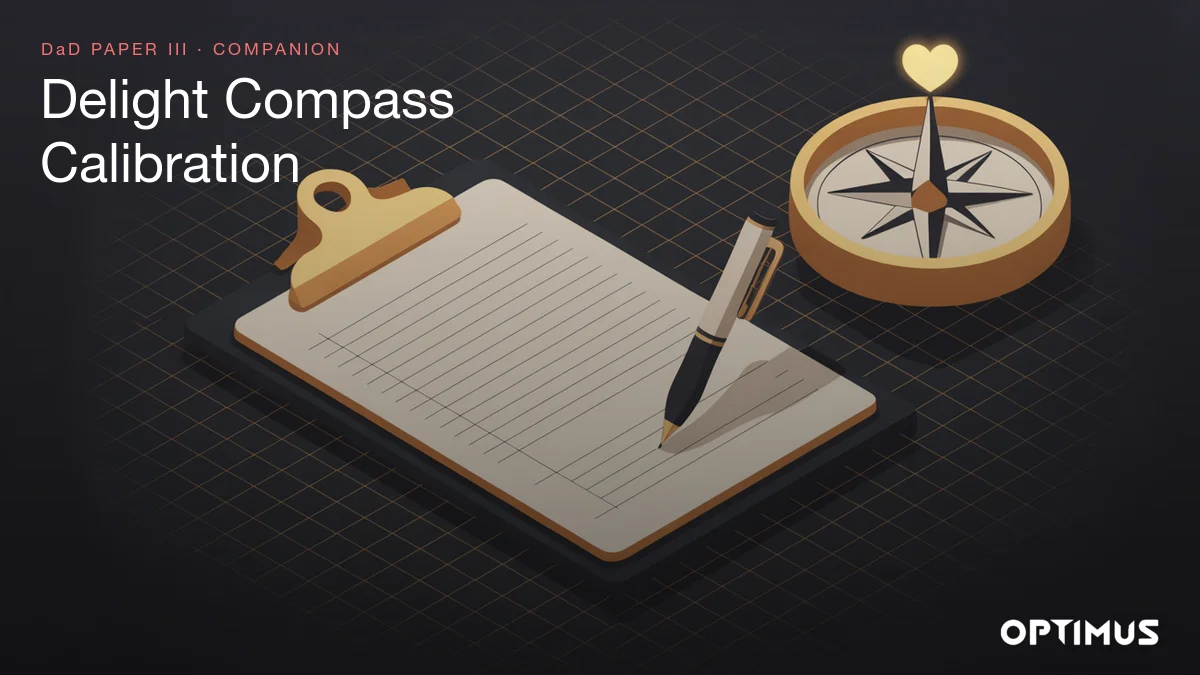
Calibrate the navigation system Paper III describes: map your real week, score expansion vs contraction, sort genuine signal from counterfeit with the five-level taxonomy, and run one full DaD loop.
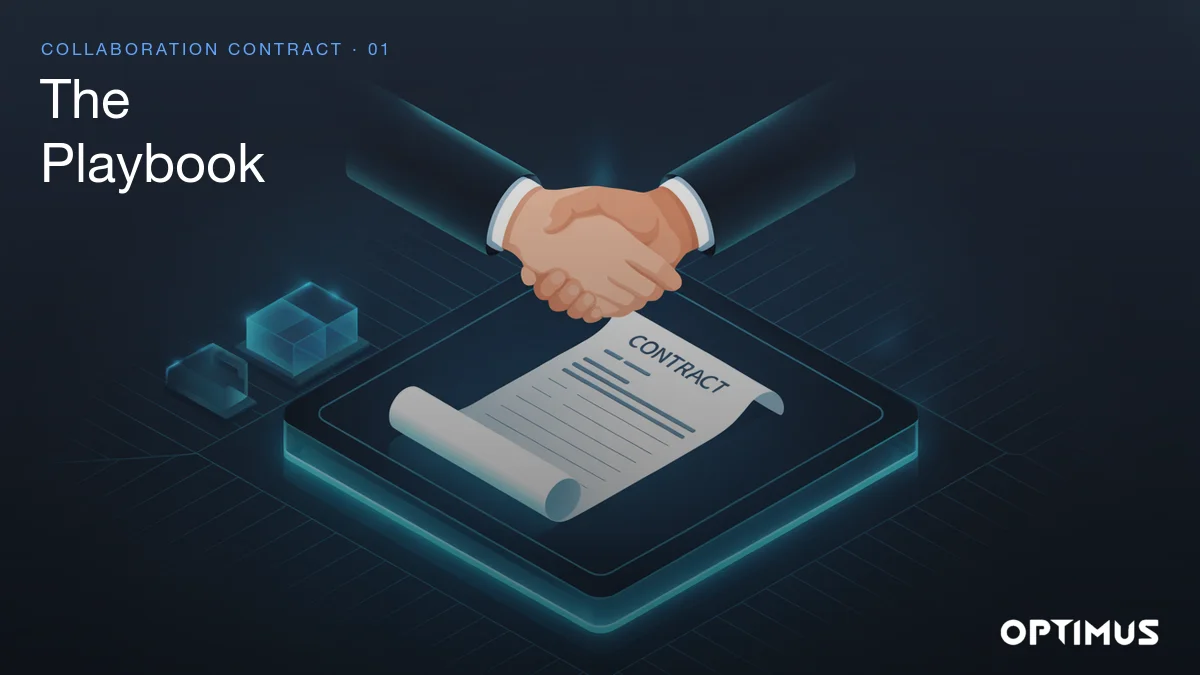
The four collaboration quadrants and the specific rework each stuck project needs.
Three kill candidates, three side-by-side agent migrations, and the exact trigger to cancel each tool safely.
The plugin format Anthropic shipped for Claude Code maps 1:1 to the FAST framework. A short brief — what a plugin actually is, what makes one great (not just okay), and the design process. Reads in about 5 minutes.
The mechanic that makes V³ a vortex and not a funnel. Every interaction — the wins AND the losses — becomes signal at the top of the next loop. The speed at which you metabolize signal into new TOFU is the velocity in Value Velocity Vortex.
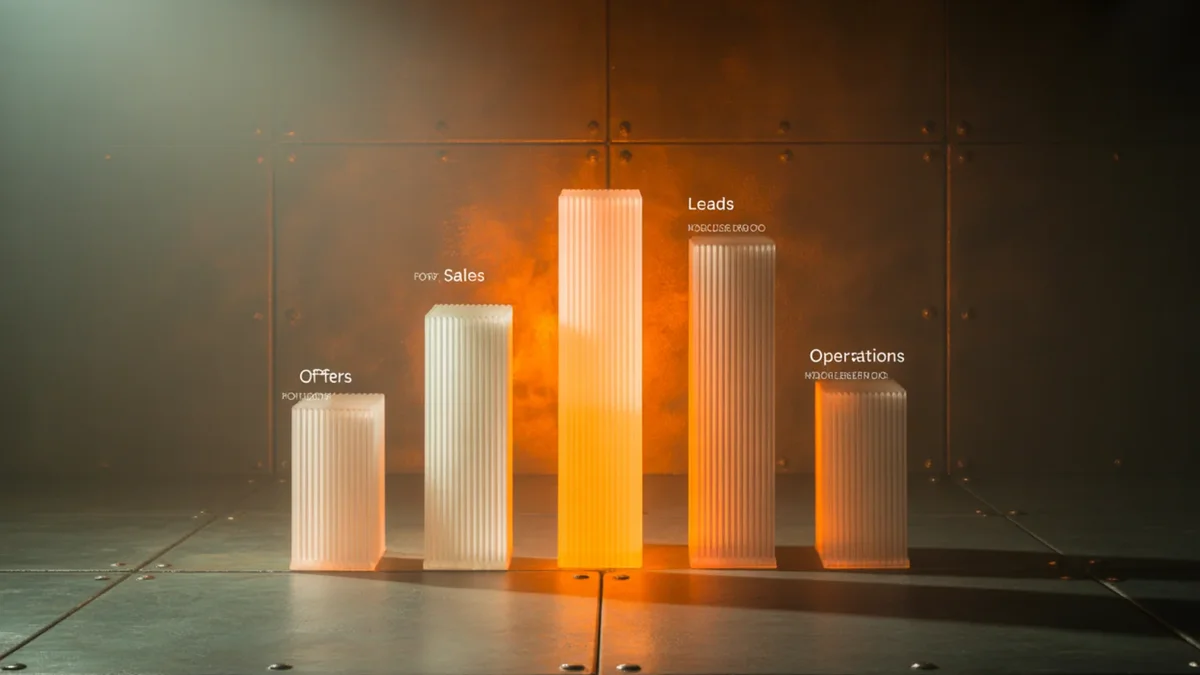
Three minutes with the OSLO Bot returns a diagnosis of which pillar — Offers, Sales, Leads, or Operations — is your current bottleneck. Run it first, then come back for the playbook.
Once the OSLO Bot has flagged your bottleneck pillar, this is the playbook for what 'fixing' it looks like. The four signs of each bottleneck and what to work on first.
OSLO isn't a one-time fix. It's a diagnostic you re-run every cycle. Each loop, the same four letters mean a higher gear — bike to car to plane to jet.
Read Paper I first — it builds the foundation Papers II and III stand on. Quick orientation to the trilogy, the DaD Loop, and why order matters.
A Theory of Consciousness, Value, and Cosmic Economics. Paper I of the DaD Papers trilogy, by Brad Hart. Reads in about 30 minutes.
Preview of Paper II. Publishes on Amazon at $0.99 Kindle / part of the $19.99 paperback trilogy from Make More Marbles Publishing.
Preview of Paper III. Publishes on Amazon at $0.99 Kindle / part of the $19.99 paperback trilogy from Make More Marbles Publishing.
The mental model that makes social make sense. Why you don't need a viral post — you need to pull the handle, watch what spits out, and put more money on what wins.
The first three message types build the human on the other side. With exact Claude prompts you can copy-paste right now.
The middle of the seven-message mix — your results + your client results + the questions that turn followers into a conversation.
The final two message types — your call to action and your one pure-value teaching post. With prompts.
Speak your inputs once, get a week of posts. Brad's actual workflow — no typing, no staring at a blank screen, no content treadmill.
The slot machine spits out a winner. Now what? How to take a viral organic post and turn it into a paid ad that scales the trust.
The weekly cadence that makes the seven-message strategy a system, not a sprint. Plus when to break the rules and how to know when something's working.
If you've ever automated something and ended up with MORE work, you've hit one of these four traps. Spot them before you ship the next workflow.
FAST means Factory of Agents with Skills and Tools. Factory is the operating model. Agents, Skills, Tools are the capability layers. Order matters — build the factory first.
What actually happens when you take the assessment. A short conversation with the OSLO Bot that maps your operating surface and tells you what to build first.
The execution layer. The exact order to build, the test loop that keeps you honest, and the upgrade path if you want it done for you.
Most founders misdiagnose the constraint — they blame leads when it's the offer, or build ops when sales isn't converting. OSLO tells you exactly where you are in the sequence.
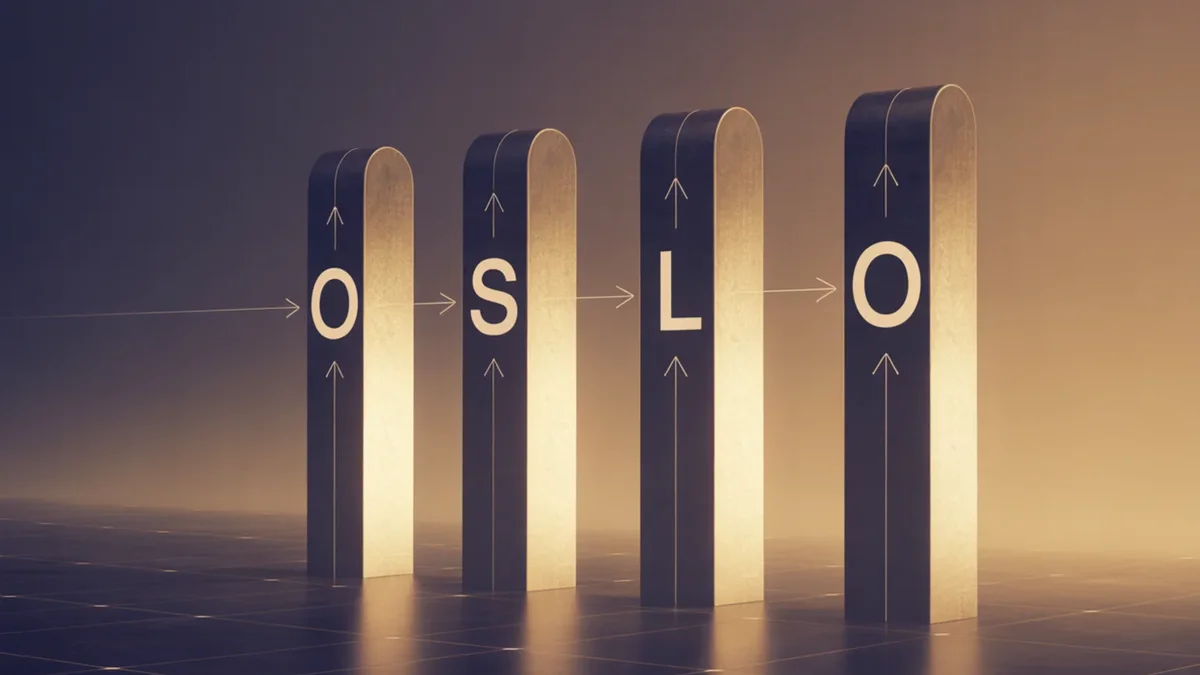
The four pillars of OSLO. Same letters, distinct moves, strict order. Most founders try to fix the wrong pillar — this lesson tells you what each one actually is.
Specific moves for whichever OSLO pillar the assessment flagged. Jump to your section, run the plays, then re-run the assessment in 30 days.
OSLO isn't a one-time fix — it's the diagnostic you run forever. The bottleneck moves through the four pillars as you scale. Same letters, higher gear each cycle.
Why the traditional funnel is broken and what to build instead. The Vortex creates pull — people fall *into* it, not *out* of it.
The core sequence behind V³: Attention → Time → Money. Why you can't skip steps and how each stage builds on the last.
The structural difference between a funnel and a vortex — and why one creates pull while the other creates leakage.
How V³ filters for Interested + Qualified prospects at each stage — and why the vortex shape matters more than the funnel.
How to implement V³ in your business — from the first lead magnet to the 50-client center of the vortex.
The number behind V³. Why 50 clients × $25–50K beats 5,000 customers × $47 — and what it costs you to chase the wrong number.